The Future of Pneumatic Valve Manufacturing in High-Pressure Systems
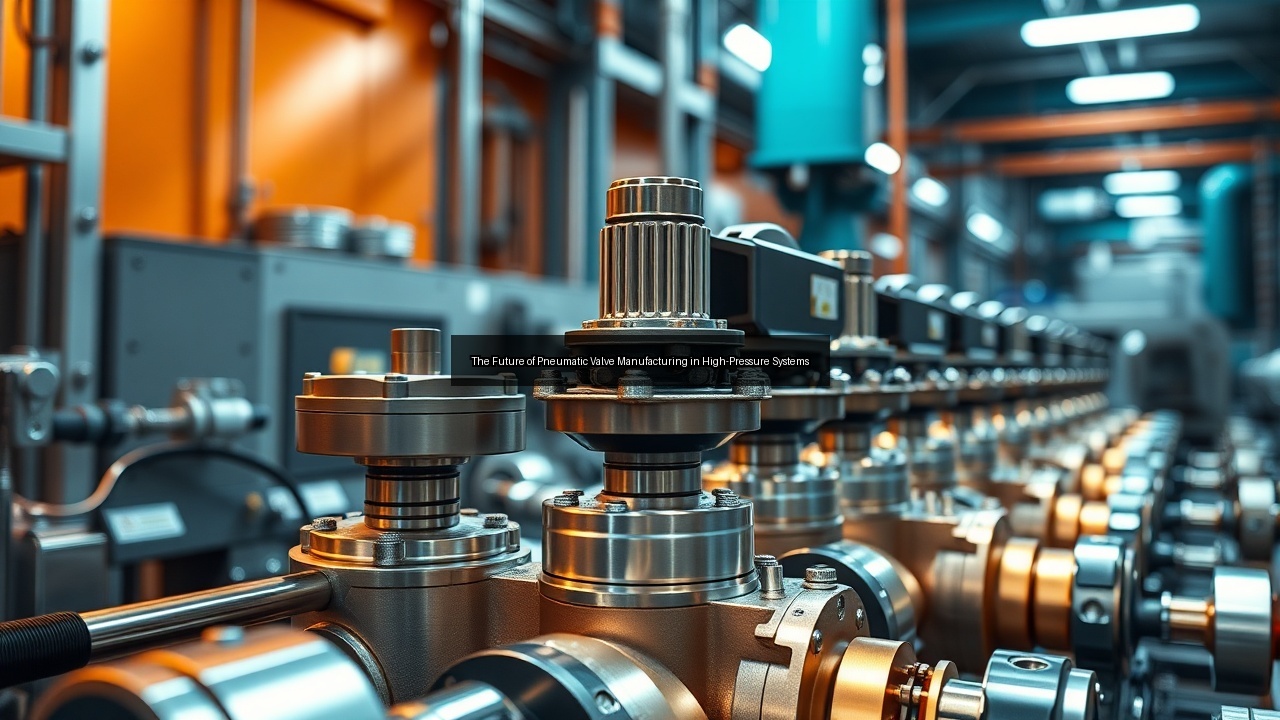
Advancements in Pneumatic Valve Manufacturing
Emerging Technologies in Pneumatic Valve Machining
Recent innovations in pneumatic valve machining revolutionize the manufacturing landscape. Techniques such as additive manufacturing, 3D printing, and advanced CNC machining enable manufacturers to create complex geometries that enhance performance and efficiency. These technologies allow for rapid prototyping and customization, meeting specific client requirements in high-pressure applications. Manufacturers can now produce lightweight yet robust pneumatic valves, reducing overall system weight while maintaining structural integrity under pressure. The integration of simulation software further streamlines the machining process, minimizing waste and optimizing production times. As these technologies mature, they will define the next generation of pneumatic pneumatic valve manufacturer valve designs, ensuring adaptability and resilience in diverse applications.
Integration of Automation in Manufacturing Processes
Automation is reshaping pneumatic valve manufacturing, enhancing productivity and precision. Automated systems reduce human error and increase throughput, allowing factories to operate seamlessly around the clock. Robotic arms equipped with advanced sensors handle delicate machining tasks, ensuring consistent quality in every product. Additionally, automated quality control systems utilize machine learning algorithms to identify defects early in the production process, ensuring adherence to strict quality standards. This shift towards automation not only boosts efficiency but also addresses the skills gap in the labor market, as fewer skilled workers are needed on the factory floor. The future of pneumatic valve manufacturing will heavily rely on these sophisticated automated solutions that promise reliability and excellence.
Impact of Industry 4.0 on Valve Production
Industry 4.0 introduces a paradigm shift in pneumatic valve manufacturing through the integration of the Internet of Things (IoT), big data, and cloud computing. Manufacturers can now collect real-time data from machines and processes, allowing for smarter decision-making and proactive maintenance. Predictive analytics improves operational efficiency by anticipating equipment failures before they occur, reducing downtime and maintenance costs. Furthermore, cloud technologies facilitate collaboration among global teams, streamlining the design and production process. This interconnectedness fosters innovation, enabling manufacturers to respond quickly to market demands and customize products for individual clients. Embracing Industry 4.0 principles positions companies at the forefront of the pneumatic valve manufacturing sector, ready to tackle future challenges and opportunities.
Challenges in High-Pressure Pneumatic Systems
Material Selection for High-Pressure Applications
Choosing the right materials for pneumatic valves in high-pressure systems remains a critical challenge. Manufacturers must consider not only the mechanical properties of materials but also their behavior under extreme conditions. Common materials like stainless steel and brass offer good strength but may not always withstand the corrosive nature of certain gases. Advanced composites and alloys are gaining traction, providing superior performance and resistance to wear and tear. However, the cost of these materials can be prohibitive. Manufacturers must balance cost-effectiveness with quality, ensuring that valves perform reliably under high-pressure conditions. Continuous research into new materials and coatings will help overcome these hurdles, paving the way for safer and more efficient pneumatic systems.
Quality Control in Pneumatic Valve Manufacturing
Quality control stands as a cornerstone in pneumatic valve manufacturing, especially for components used in high-pressure systems. Rigorous testing protocols must be established to ensure that each valve meets stringent performance criteria. Manufacturers employ a combination of visual inspections, pressure testing, and non-destructive testing techniques to identify potential failures. Implementing quality management systems (QMS) such as ISO 9001 ensures compliance with international standards while promoting a culture of continuous improvement. The challenge lies in maintaining consistency across batches, particularly when incorporating new technologies or materials. Investing in advanced testing equipment and training skilled personnel can enhance quality assurance processes, ultimately leading to safer and more reliable pneumatic systems.
Safety Standards and Compliance Requirements
Adhering to safety standards and compliance requirements is essential in the manufacturing of pneumatic valves for high-pressure applications. Regulatory bodies impose strict guidelines to ensure that products can withstand the operational demands of various industries, including oil and gas, aerospace, and automotive. Compliance with standards such as ASME, ASTM, and ISO not only protects end-users but also enhances a manufacturer's reputation. The challenge lies in keeping up with evolving regulations and ensuring that all products meet these requirements. Manufacturers must invest in training and development to ensure staff are aware of and adhere to these standards. By prioritizing safety and compliance, manufacturers can mitigate risks and foster trust with customers and stakeholders.
The Role of Engineering in Pneumatic Systems
Design Innovations for Pneumatic Control Valves
Engineering plays a pivotal role in the design of pneumatic control valves, driving innovation and efficiency. Engineers focus on optimizing the flow characteristics and minimizing pressure drops, which directly impact system performance. Advanced computational fluid dynamics (CFD) tools allow engineers to simulate valve behavior under various conditions, leading to designs that maximize efficiency. Additionally, the move towards modular design enables manufacturers to create customizable solutions that cater to specific applications. This flexibility is particularly valuable in sectors requiring tailored pneumatic systems. Continuous collaboration between engineers and manufacturers fosters an environment of innovation, ensuring that new designs meet the evolving demands of the industry while maintaining high performance and reliability.
The Importance of Precision in Machining Valve Parts
Precision machining is vital in the production of pneumatic valve components, where tolerances can directly influence performance and safety. High-quality machining processes ensure that parts fit together seamlessly, preventing leaks and ensuring reliable operation under pressure. Advanced CNC machines enable manufacturers to achieve the necessary precision, producing components that meet exact specifications. Additionally, surface treatments and coatings can enhance wear resistance, further extending the lifespan of pneumatic valves. Maintaining tight tolerances not only improves valve functionality but also reduces the risk of failure in high-pressure applications. As the demand for high-performance pneumatic systems grows, the importance of precision in machining valve parts will only increase, driving manufacturers to adopt the latest technologies and methodologies.
Collaboration Between Manufacturers and Engineers
Effective collaboration between manufacturers and engineers is essential for the success of pneumatic systems. This partnership fosters a shared understanding of market demands, technological advancements, and innovative design approaches. Open communication ensures that engineers receive the necessary feedback on prototype performance, enabling them to refine designs before full-scale production. Furthermore, collaborative efforts lead to the development of new materials and manufacturing techniques that enhance valve performance. Regular workshops and training sessions can strengthen this relationship, ensuring that both parties are aligned in their goals. By working together, manufacturers and engineers can elevate the quality of pneumatic valves, ultimately benefiting end-users and driving industry progress.
Future Trends and Opportunities
Sustainability in Pneumatic Valve Manufacturing
As the world shifts toward sustainability, pneumatic valve manufacturing must adapt to eco-friendly practices. Manufacturers explore ways to reduce waste throughout the production process, such as optimizing the machining of pneumatic valves to minimize scrap materials. The use of recyclable materials in valve construction also gains popularity, enabling manufacturers to reduce their environmental footprint. Additionally, companies are investigating energy-efficient machinery and processes to lower energy consumption during manufacturing. By prioritizing sustainability, manufacturers not only comply with growing environmental regulations but also attract environmentally conscious clients. The shift toward sustainable practices presents an opportunity for manufacturers to differentiate themselves in a competitive market while contributing positively to the planet.
Market Demand for Custom Pneumatic Solutions
The demand for custom pneumatic solutions is on the rise, driven by industries seeking tailored systems to meet unique operational challenges. Manufacturers who can provide bespoke pneumatic valves and systems gain a competitive edge. This trend emphasizes the importance of flexibility in manufacturing processes, allowing companies to quickly adapt to client specifications. Customization can involve everything from valve size and materials to specialized coatings that enhance performance in specific environments. As industries evolve and new applications emerge, the ability to offer tailored solutions will be crucial for sustained growth. Manufacturers should invest in agile production systems and foster relationships with clients to better understand their needs, ensuring they remain responsive to market demands.
The Role of Companies like Hogge Precision Parts in Shaping the Industry
Companies like Hogge Precision Parts exemplify the future of pneumatic valve manufacturing through their commitment to quality and innovation. Specializing in precision machining and custom solutions, they address the unique needs of various industries. Their investment in advanced technologies and skilled labor enables them to produce high-performance pneumatic control valves that meet stringent standards. Hogge's focus on customer collaboration fosters partnerships that drive product development, ensuring that their pneumatic valves align with client requirements. By setting high standards in quality and service, companies like Hogge Precision Parts shape the industry's future, influencing trends and setting benchmarks for machining pneumatic valves excellence in pneumatic valve manufacturing.