Insights into the Outsourced Assembly Process for Manufacturers
Understanding Outsourced Assembly Services
Defining Outsourced Assembly
Outsourced assembly services involve delegating the task of assembling components or products to third-party companies. This practice allows manufacturers to focus on their core competencies while leveraging the expertise of specialized assembly firms. By outsourcing assembly, companies can access advanced skills, technologies, and resources without the heavy investment in infrastructure and labor. This strategic decision not only streamlines operations but also enhances overall productivity. Outsourced assembly is particularly valuable in industries where precision and efficiency are paramount, making it a popular choice among manufacturers looking to maintain competitive advantages.
The Role of Outsourced Assembly in Manufacturing
In the manufacturing landscape, outsourced assembly plays a crucial role in optimizing production workflows. It allows companies to scale operations quickly and efficiently, responding to market demands without the need for extensive capital investment. Furthermore, outsourced assembly services enhance reliability by offering specialized expertise that ensures products meet stringent quality standards. By relying on established assembly firms, manufacturers can minimize risks associated with production delays and increase their time-to-market. This collaboration fosters innovation and flexibility, enabling businesses to adapt to changing consumer preferences and technological advancements seamlessly.
Key Industries Benefiting from Outsourcing
Various industries benefit significantly from outsourced assembly services. The automotive sector stands out, where precision assembly is vital for safety and performance. Automotive manufacturers often outsource components like wiring harnesses and engine parts to specialized firms, ensuring the highest quality while managing costs. Electronics manufacturing also relies heavily on outsourced assembly, particularly for intricate devices requiring careful fabrication and quality control. Other sectors, including consumer goods, aerospace, and medical devices, also leverage outsourced assembly to maintain efficiency and meet rigorous industry standards. By tapping into these services, companies can enhance operational effectiveness and drive innovation.
The Outsourced Assembly Process
Overview of the Assembly Line Process
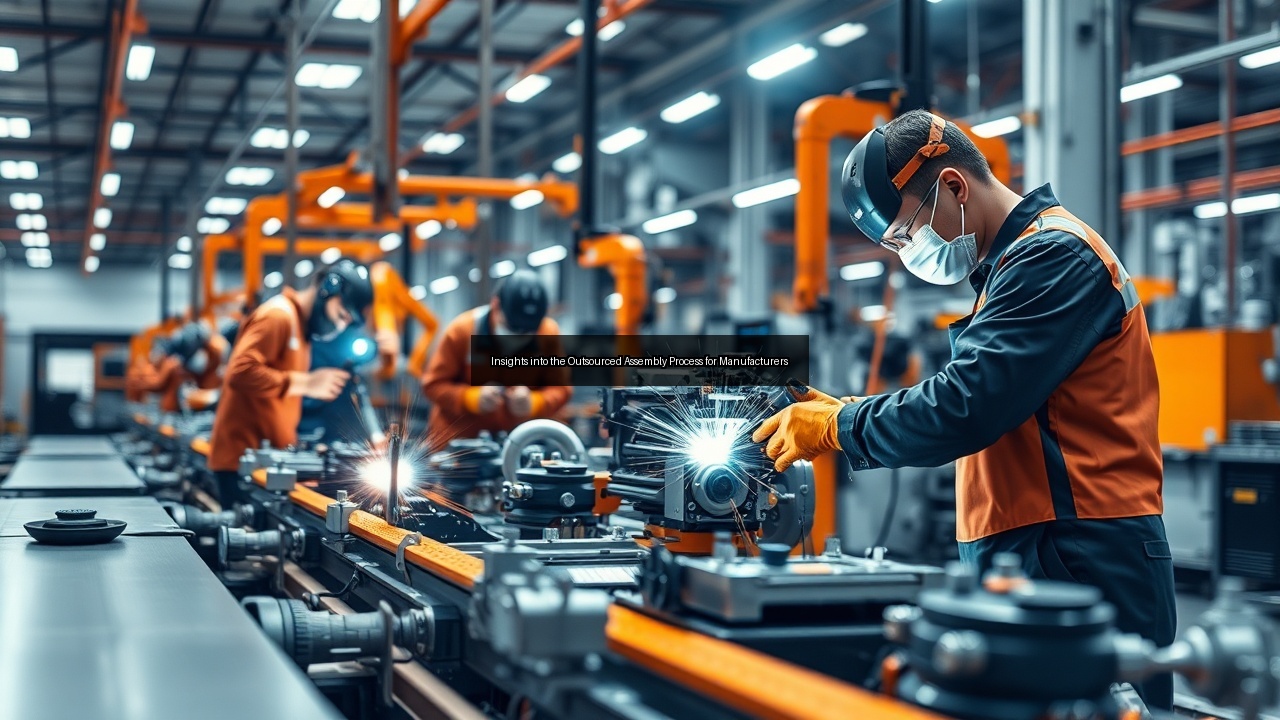
The assembly line process forms the backbone of outsourced assembly services. This systematic approach breaks down production into manageable steps, allowing for a continuous flow of materials and components. Each station along the assembly line focuses on specific tasks, enhancing workflow efficiency and reducing bottlenecks. For instance, one station may handle the assembly of subcomponents, while another focuses on final assembly and packaging. This structured process not only speeds up production but also allows for easy identification of issues during quality control inspections. As a result, manufacturers can achieve higher output levels and maintain consistent quality across their products.
Importance of Welding in Assembly
Welding serves as a critical aspect of the outsourced assembly process, particularly in industries such as automotive and heavy machinery. This fabrication technique joins materials together, ensuring structural integrity and durability. Quality control in welding is essential, as even minor defects can compromise product performance and safety. Manufacturers often utilize skilled welders and advanced welding technologies to meet stringent specifications. Integrating reliable welding practices within the assembly process ensures that products not only meet quality standards but also enhance their lifespan and performance. As such, welding remains a vital component in the quest for excellence in outsourced assembly services.
Quality Control Measures in Outsourced Assembly
Quality control measures stand at the forefront of outsourced assembly services. Rigorous inspections throughout the assembly process help identify defects early, preventing costly rework and ensuring product reliability. Manufacturers implement various quality assurance protocols, such as statistical process control and real-time monitoring, to maintain high standards. These measures involve regular evaluations of assembly line processes and materials used, ensuring compliance with industry regulations. By prioritizing quality control, companies can build trust with customers and enhance their brand reputation. Effective quality management not only minimizes waste but also contributes to long-term operational efficiency, making it indispensable in outsourced assembly.
Benefits and Challenges of Outsourcing Assembly
Improving Time-to-Market
Outsourcing assembly significantly improves time-to-market for manufacturers. By leveraging the expertise and resources of specialized assembly firms, companies can accelerate production timelines. This speed allows businesses to respond promptly to market changes and consumer demands, giving them a competitive edge. Additionally, outsourcing eliminates the need for extensive hiring and training processes, which can delay product launches. Manufacturers can focus on design, innovation, and marketing while leaving the assembly tasks to experts. In industries where trends shift rapidly, reducing time-to-market becomes a pivotal strategy for sustaining growth and profitability in an ever-evolving marketplace.
Reducing Waste and Enhancing Efficiency
Outsourced assembly services help manufacturers reduce waste and enhance overall efficiency. By adopting lean manufacturing principles, assembly firms optimize processes to minimize excess materials and streamline operations. This efficiency directly translates to cost savings, as reduced waste lowers production costs. Moreover, specialized assembly firms often employ advanced technologies and methodologies that further enhance productivity. The ability to quickly adapt to changes in demand without significant waste ensures that manufacturers remain agile and competitive. By outsourcing assembly, companies not only boost their bottom line but also contribute to sustainable practices within the manufacturing sector.
Best Practices for Successful Outsourcing
Successful outsourcing of assembly requires careful planning and execution. Establishing clear communication channels between manufacturers and assembly partners is paramount. This transparency fosters collaboration and ensures alignment on project goals and quality expectations. Conducting thorough research to select reliable outsourcing partners is also essential, as their expertise directly impacts the quality of the final product. Implementing robust quality control measures and regular inspections ensures that standards are met consistently. Additionally, fostering a culture of continuous improvement within the partnership promotes innovation and efficiency. Adhering to these best practices enables manufacturers to maximize the benefits of outsourced assembly services.
Future Trends in Outsourced Assembly
Technological Innovations in Assembly Services
Technological innovations continue to reshape outsourced assembly services. Automation and robotics play a crucial role in enhancing efficiency and precision. Advanced robotics can perform repetitive tasks with impeccable accuracy, reducing human error and increasing production speed. Additionally, the integration of smart technologies, such as IoT devices, allows for real-time monitoring of assembly processes. These innovations enable manufacturers to collect valuable data, improving decision-making and facilitating proactive maintenance. As technology evolves, the future of outsourced assembly promises even greater efficiencies and cost savings, positioning manufacturers to thrive in a competitive landscape.
Impact on Automotive Manufacturing
The automotive industry stands to gain significantly from advancements in outsourced assembly. As vehicles become increasingly complex, the need for specialized assembly services grows. Manufacturers can outsource the assembly of intricate components, such as electronic systems and safety features, to experts in those fields. This specialization enhances product quality and ensures compliance with stringent safety standards. Furthermore, trends toward electric and autonomous vehicles will require innovative assembly solutions. Outsourced assembly services will play a vital role in meeting these new challenges, allowing automotive manufacturers to focus on research and development while relying on partners for efficient assembly.
The Evolving Architecture of Assembly Plants
The architecture of assembly plants is evolving to accommodate modern outsourcing needs. Manufacturers are redesigning facilities to enable seamless integration with outsourced assembly partners. This includes creating flexible layouts that facilitate quick changes to assembly line processes and workflows. Emphasis on sustainability is also shaping the architecture of these plants, with increased focus on energy efficiency and waste reduction. Additionally, the incorporation of technology into plant design promotes automation and data-driven decision-making. As assembly plants adapt to these trends, they will enhance their capabilities to meet the demands of a rapidly changing manufacturing landscape.
See Also
- Exploring the Impact of Outsourced Assembly on Supply Chain Management
- Choosing the Right Outsourced Assembly Partner for Your Needs
- The Secret to Rapid Time-to-Market Using Outsourced Assembly
- The Transformation of Manufacturing Through Outsourced Assembly Techniques
- How Outsourced Assembly Services Can Boost Your Bottom Line