Electropolishing for Aesthetic Appeal and Functionality in Stainless Steel
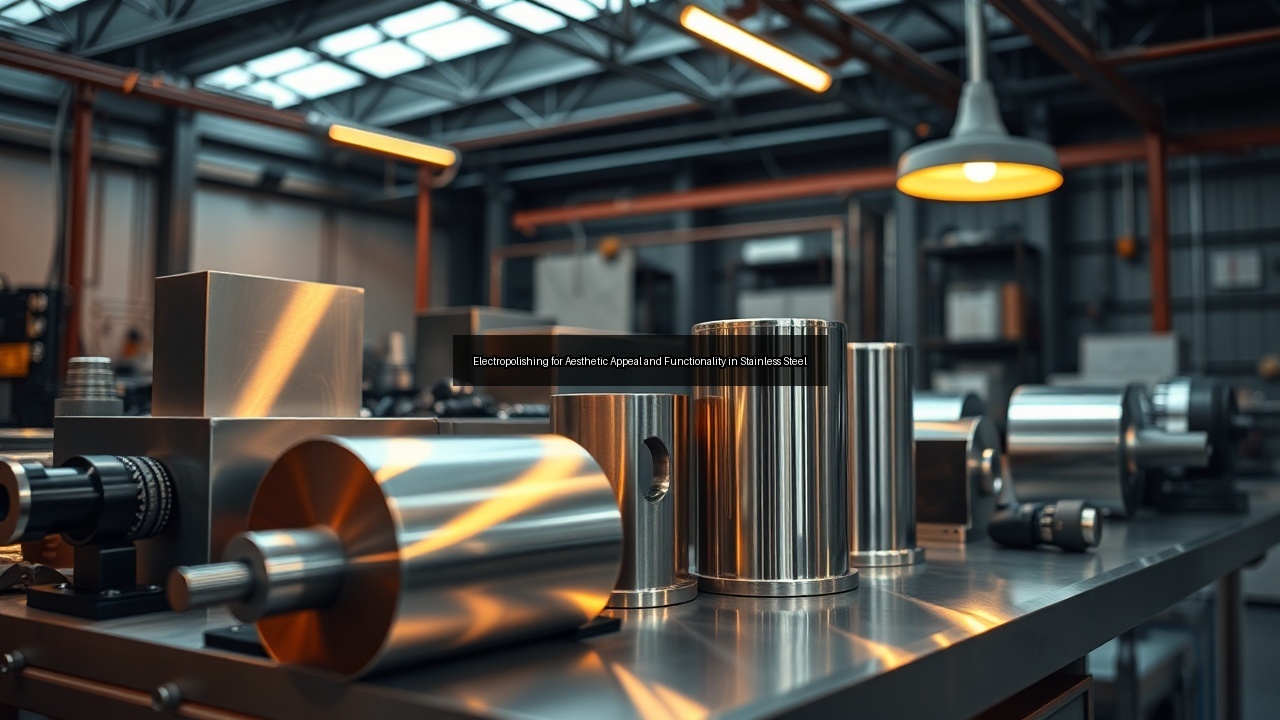
Understanding Electropolishing and Its Benefits
What is Electropolishing?
Electropolishing, often referred to as electro polishing, is an electrochemical process that removes material from the surface of metals, particularly stainless steels. This technique enhances both the aesthetic appeal and the functionality of metal components. By immersing stainless steel products in a bath of electrolytic solution and applying an electric current, manufacturers can achieve a smooth and shiny surface. This process effectively eliminates imperfections, such as burrs and surface roughness, resulting in a highly polished finish. Industries rely on electropolishing stainless steel services to improve the quality and durability of their products, making it a crucial step in metal finishing.
The Science Behind Electropolishing
The science of electropolishing centers around the principles of electrochemistry. During the process, stainless steel parts become an anode in an electrolytic bath, which typically contains phosphoric acid, sulfuric acid, or a combination of both. The electric current causes metal ions to dissolve from the surface, smoothing out irregularities. This electrochemical reaction also reduces the surface roughness, leading to a visually appealing finish. Furthermore, the removal of surface contaminants, such as oxides and embedded dirt, contributes to improved corrosion resistance. The result is a refined surface that not only looks exceptional but also performs better in various applications.
Key Benefits of Electropolishing Stainless Steel
Electropolishing offers numerous advantages for stainless steel products. One significant benefit is enhanced corrosion resistance. By eliminating surface defects, electropolishing minimizes the likelihood of corrosion and rust formation, particularly in harsh environments. Another advantage is improved surface finish. Electropolished stainless steel has a mirror-like quality that not only enhances its aesthetic appeal but also facilitates cleaning and maintenance. This smooth finish reduces the adhesion of contaminants and bacteria, making it an excellent choice for food processing and medical applications. Additionally, electropolishing can increase the lifespan of components by reducing wear and tear, making it a smart investment for manufacturers seeking quality and durability.
Applications of Electropolished Stainless Steel
Industrial Uses of Electropolished Metals
Electropolished stainless steel finds extensive applications across various industrial sectors. In manufacturing environments, electropolishing enhances the performance of components used in machinery, valves, and piping systems. The smooth surface finish reduces friction, leading to improved efficiency and longer component life. Industries such as aerospace and automotive also benefit from electropolished metals, where every detail matters. The lightweight, corrosion-resistant properties of stainless steel, combined with its aesthetic appeal, make it an ideal choice for exterior and interior components. Furthermore, electropolishing helps in achieving compliance with stringent industry standards, ensuring that components meet safety and quality regulations.
Role in Semiconductor Manufacturing
In the semiconductor industry, the role of electropolished stainless steel becomes even more critical. Cleanliness and precision are paramount when fabricating semiconductor devices. Electropolished surfaces reduce the risk of contamination, ensuring that particles do not interfere with the delicate processes involved in semiconductor manufacturing. The smooth finish allows for better flow of gases and liquids in processing equipment, which is essential for maintaining the integrity of semiconductor materials. Additionally, the corrosion resistance provided by electropolishing is vital for equipment exposed to aggressive chemicals during the manufacturing process, safeguarding both functionality and longevity.
Electropolishing in Engineering and Heat Treating
Electropolishing plays a significant role in engineering and heat treating applications as well. In engineering, the precision and quality of components directly impact performance. Electropolished stainless steel parts exhibit enhanced mechanical properties, making them suitable for demanding applications such as aerospace, medical devices, and automotive components. In the context of heat treating, electropolishing improves the surface finish of heat-treated metals, ensuring optimal performance during subsequent operations. This process not only enhances the durability of components but also contributes to the overall efficiency of manufacturing processes, making it a valuable technique for engineers and manufacturers alike.
Choosing the Right Electropolishing Services
Factors to Consider When Selecting a Manufacturer
Selecting the right electropolishing services is crucial for achieving the desired results. One of the primary factors to consider is the manufacturer’s experience and expertise in electropolishing stainless steel. A well-established provider will understand the nuances of the process and the specific requirements of different stainless steel grades, such as 316L. Additionally, assess the manufacturer’s quality control measures. A reputable company will employ rigorous testing and inspection protocols to ensure that the final product meets industry standards. Finally, consider the range of services offered. A manufacturer that provides additional metal finishing services can be a valuable partner for comprehensive solutions.
Comparing Electropolishing Services
When comparing electropolishing services, focus on aspects such as turnaround time, customer service, and technological capabilities. Quick turnaround times can be a significant advantage, especially for projects with tight deadlines. Evaluate customer service by reading reviews and seeking testimonials from previous clients. A manufacturer who prioritizes communication and responsiveness will make the entire process smoother. Technological capabilities also play a role in the effectiveness of electropolishing. Advanced equipment and techniques can enhance the quality of results, so inquire about the manufacturer’s technology and processes before making a decision.
Cost and Quality Considerations
Cost and quality go hand in hand when selecting electropolishing services for stainless steel. While competitive pricing is essential, quality should never be compromised. A low-cost service may cut corners, resulting in subpar finishes that could lead to increased maintenance and replacement costs down the line. Obtain quotes from multiple manufacturers to gauge pricing, but also consider the long-term benefits of investing in high-quality electropolishing. Ensure that the provider uses high-grade materials and adheres to strict quality standards. Ultimately, a balance between cost and quality will lead to the best outcomes for your stainless steel products.
Maintaining Aesthetic Appeal and Functionality
Improving Corrosion Resistance
Electropolishing significantly improves the corrosion resistance of stainless steel products. The process removes surface contaminants and imperfections, which are common starting points for corrosion. With a smoother surface, electropolished stainless steels display enhanced resistance to rust and other forms of degradation, especially in corrosive environments. This characteristic is particularly valuable in industries where equipment faces exposure to harsh chemicals or extreme weather conditions. By opting for electropolished stainless steel, manufacturers not only enhance the product’s aesthetic appeal but also ensure its longevity and functionality, resulting in better performance over time.
Enhancing Surface Finish for Stainless Steel Products
The surface finish of stainless steel products plays a crucial role in their overall appearance and performance. Electropolishing delivers an exceptional finish that enhances the visual appeal of components, making them suitable for applications where aesthetics matter. This polished surface also facilitates easier cleaning and maintenance, as contaminants and dirt are less likely to adhere. In environments such as food processing or pharmaceuticals, where hygiene is paramount, electropolished surfaces contribute to maintaining cleanliness and preventing bacterial growth. The superior surface quality achieved through electropolishing thus not only enhances appearance but also supports functionality and safety.
Long-term Benefits of Electropolished Stainless Steels
Investing in electropolished stainless steels yields long-term benefits that extend beyond immediate aesthetic enhancements. The durability and resistance to corrosion provided by electropolishing result in a reduced need for maintenance and replacement, leading to cost savings over time. Moreover, components that maintain their integrity and appearance for longer periods contribute to overall operational efficiency. Industries relying on electropolished stainless steel can experience decreased downtime and enhanced productivity, as equipment remains functional and visually appealing. Ultimately, the long-term advantages of choosing electropolished stainless steel make it a wise choice for manufacturers seeking quality and reliability in their products.
See Also
- Maximizing Durability with Electropolished Stainless Steel Parts
- The Role of Electropolishing in Semiconductor Manufacturing
- How Electropolishing Enhances the Performance of 316L Stainless Steel
- Electropolishing Techniques That Enhance the Life of Stainless Steel
- Electropolishing vs Traditional Polishing Which is Best for Stainless Steel